
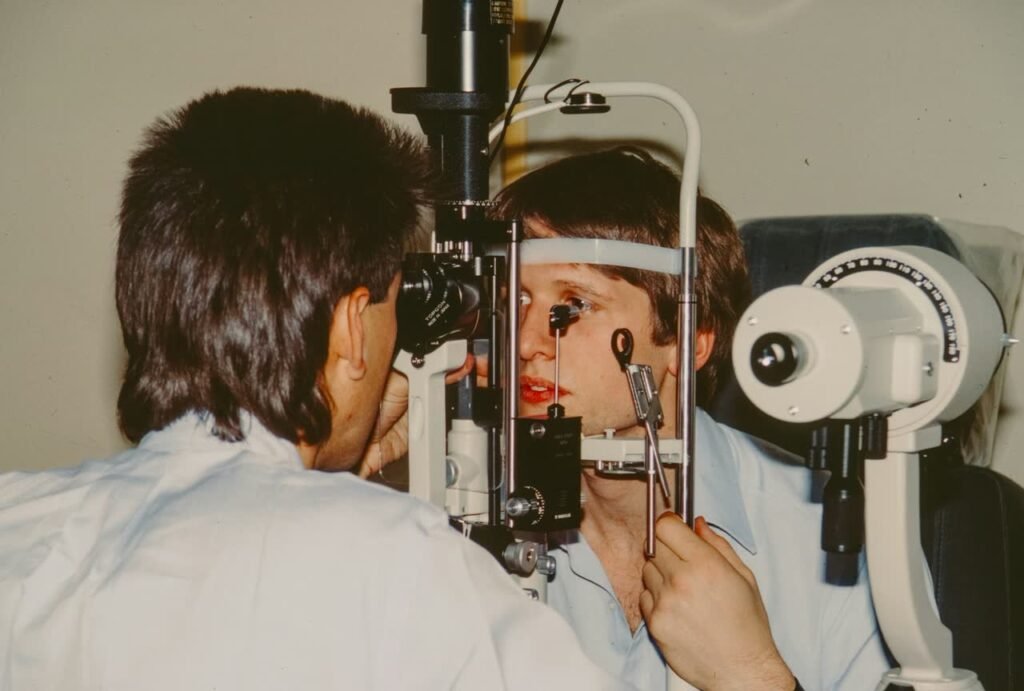
What is diabetic retinopathy?
Over time, high blood sugar can damage the tiny blood vessels in your retina, the light-sensitive layer at the back of your eye. These vessels can leak or become blocked. This is diabetic retinopathy, and it can lead to serious vision loss if it is not found and managed.
In the early stages there are usually no symptoms at all, so you cannot rely on your vision to tell you that something is wrong. Screening can pick up changes early, when there is the most that can be done to protect your sight.
Who needs screening
When to get your retina checked
Newly diagnosed type 2 diabetes
Have a check soon after diagnosis. Type 2 diabetes can be present for years before it is found, so changes may already have begun.
Type 1 diabetes
Screening is generally advised starting within a few years of diagnosis, and then regularly.
Everyone with diabetes
Indian guidance advises an eye check at least once a year, even if your sugar is well controlled and you see well. You may need checks more often if changes are found.
Pregnancy with diabetes
Pregnancy can make retinopathy worse. If you already have diabetes, have your eyes checked early in pregnancy.
What to expect
What happens at your screening
Step 01
Your history
We ask about your diabetes, how long you have had it, recent sugar control and any other health conditions.
Step 02
Vision check
We test your vision and check for any recent changes.
Step 03
Retinal examination
We examine the back of your eyes. Dilating drops may be used for a clearer view, which can blur your vision for a few hours.
Step 04
Results & next steps
We explain the findings and when to come back. If treatment may be needed, we will advise you to see a retina specialist.
In our patients’ words (sample)
Technology we use
Precise instruments from ZEISS and Essilor
ZEISS VISUSCOUT 100
A handheld fundus camera that photographs the retina at the back of your eye.
ZEISS slit lamp
A precision microscope for a magnified, detailed look at the health of your eyes.
Why Eyesavers
A legacy of eyewear since 1953
- Led by chief optometrist Kunal Shah, B.Optom (Sankara Nethralaya with BITS Pilani)
- Best Clinical Experts Award, You & Eye International, nine years running
- A clinic and a boutique under one roof
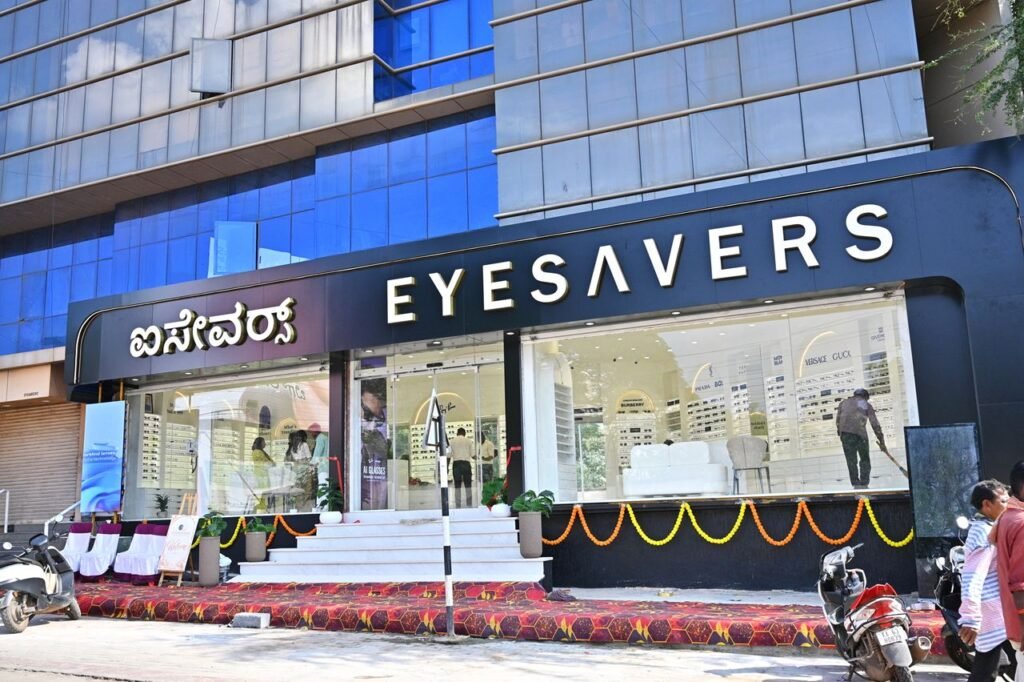
- Open all 7 days, 10:30am to 9pm, in Deshpande Nagar, Hubli
FAQ
Questions, answered
How often should I be screened?
At least once a year if you have diabetes, as advised by Indian guidance. If retinopathy is found, your eye care professional may recommend more frequent checks depending on its severity.
I can see perfectly. Do I still need screening?
Yes. Early diabetic retinopathy usually causes no symptoms, so good vision does not rule it out. That is exactly why regular screening matters.
What symptoms should I watch for?
See an eye doctor promptly if you notice blurred or fluctuating vision, dark spots or floaters, dark areas in your vision or sudden vision loss. Do not wait for your next routine check.
How can I lower my risk?
Good control of blood sugar, blood pressure and cholesterol, not smoking, and regular eye checks all help. Work with your diabetes doctor on your targets.
How long does the screening take?
Diabetic retinopathy screening is booked as a 30-minute visit. If you have dilating drops, plan for blurred vision afterwards and arrange for someone to drive you.
This page is general information and does not replace an examination or personal medical advice. If you notice sudden vision loss, flashes of light, a curtain over your vision or severe eye pain, seek urgent care from an eye doctor.
Further reading: ICMR: standard treatment workflow for diabetic retinopathy · AIOS and VRSI consensus on diabetic retinopathy, Indian Journal of Ophthalmology
Related services
You may also be interested in
Eye Testing & Examinations
Accurate prescriptions and a check of your eye health.
Prescription Lenses (ZEISS)
ZEISS and premium lenses for your lifestyle.
Contact Lenses
Fitting, training and aftercare.
Open 7 days · 10:30am – 9pm